

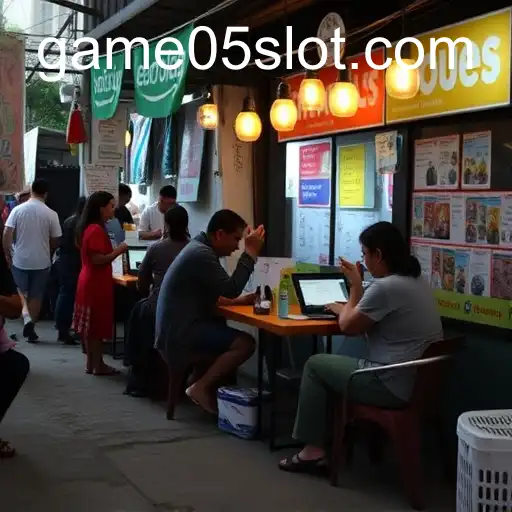

Jueteng is an illegal numbers game that has persisted in the Philippines for decades. Despite numerous efforts to eradicate it, Jueteng remains embedded in the daily lives of many Filipinos, sparking debates on its cultural, economic, and sociopolitical impact. This article delves into the intriguing world of Jueteng, using the keyword 'game05 PH Login' as a point of exploration.
Jueteng's origins stretch back over a century, deeply rooted in Filipino culture and tradition. The game is believed to have been introduced during the Spanish colonial period, evolving into a widespread pastime among Filipinos. Beyond a mere game of chance, Jueteng has become a cultural phenomenon, often integrated into community events and local festivities.
Understanding Jueteng requires acknowledging its role in the social fabric of Filipino communities. For many, it serves as an entertainment source and an opportunity to win money. The game's simplicity and accessibility contribute to its enduring popularity. Participants, known as 'kubradors,' traverse neighborhoods collecting bets, creating a social spectacle that adds to the game's allure.
Jueteng operates on a simple number-drawing mechanism, reminiscent of traditional lottery games. Bets are placed on a combination of numbers, usually ranging from 1 to 37, with results drawn twice daily. Winning numbers are selected through various methods, some using live draws while others rely on predetermined systems.
Players engage in Jueteng with the hope of substantial financial gains. However, the odds are seldom in their favor, reflecting the game's inherent risks. Despite this, the low barrier to entry and minimal bet amounts ensure a steady stream of participants, contributing to Jueteng's sustained existence.
The economic impact of Jueteng is multifaceted. On one hand, it offers financial opportunities for communities, generating income for 'kubradors', 'cabos', and operators. The informal employment generated by Jueteng provides a livelihood for countless individuals, particularly in impoverished areas where economic opportunities are scarce.
Conversely, Jueteng poses significant economic challenges. It siphons away money that could otherwise stimulate formal economic activities. The illegal nature of Jueteng means profits do not contribute to the government's revenue through taxation, affecting the broader fiscal framework.
Jueteng is often associated with corruption, posing a significant concern within the Philippines' socio-political landscape. In numerous instances, influential figures have been implicated in Jueteng-related corruption, utilizing the game's profits to finance political campaigns or maintain power.
Corruption linked to Jueteng undermines governance and fosters distrust in public institutions. Efforts to combat Jueteng are frequently hampered by the involvement of police, local officials, and syndicates who benefit from its continued operation.
Attempts to legalize Jueteng have surfaced periodically, sparking debate among policymakers and the public. Proponents argue that legalization could curb corruption, enhance regulatory frameworks, and generate tax revenue. Furthermore, legalization presents an opportunity to integrate Jueteng into formal economy channels, potentially benefiting social welfare programs.
Opponents, however, caution against legalization, citing potential moral and social repercussions. Concerns about gambling addiction, social inequality, and the ethical implications of endorsing an activity with roots in illegal practices fuel resistance to such proposals.
The digital age introduces new dynamics to the Jueteng landscape. Platforms like 'Game05 PH Login' illustrate the evolving nature of this numbers game. As Jueteng makes strides into the online realm, questions arise concerning regulation, security, and the potential for increased participation.
Online platforms offer anonymity and convenience, attracting younger demographics and expanding the game's reach. However, the digital transition also presents challenges in enforcing legal measures and ensuring fair play, emphasizing the need for robust regulatory frameworks.
The future of Jueteng in the Philippines remains uncertain, balancing between cultural tradition and the demand for legal reform. While Jueteng continues to thrive, evolving technological advancements, and shifting public sentiment may influence its trajectory.
Ultimately, addressing the Jueteng dilemma requires multifaceted strategies encompassing legal, social, and economic dimensions. Engaging communities in dialogue, promoting economic alternatives, and fostering transparency and accountability within institutions are crucial steps toward resolving the complexities of Jueteng.
The intricate relationship between Jueteng and Filipino society underscores the challenges faced in navigating cultural heritage, economic realities, and the pursuit of a fair and just society. As the nation grapples with these issues, Jueteng's legacy remains a testament to the resilience and adaptability of Filipino culture.

Dive into the exciting world of SurfZone, an online game that brings the adrenaline rush of surfing to your screen. Learn about its introduction, gameplay, and rules.

Dive deep into the vibrant universe of VegasNoLimitWins, exploring its intriguing gameplay, captivating introduction, and essential rules.

Discover IceMania, a captivating game that has taken the gaming world by storm, featuring intricate rules and an immersive gaming experience. Learn about its unique aspects and how to master the gameplay.

A comprehensive guide to WonderElephant, the latest gaming sensation, detailed with introductions, rules, and current events impact.

Delve into the world of AgeofViking with our detailed guide. Learn about its gameplay, rules, and the unique features that set it apart in the gaming world.

Dive into RicoTiger, a thrilling new game making waves in the gaming community. Discover its unique features, gameplay mechanics, and how current events shape its landscape.
